


NEWS & EVENTS
How intelligent building technology promotes sustainable development
Author:Shenzhen Ajam Lighting Limited
Click:
Time:2023-12-26 13:54:33
In recent years, people's interest in green and sustainable buildings has significantly increased. With the increasing awareness of the environmental impact of traditional architecture, more and more people are seeking innovative solutions to reduce the use of natural resources and greenhouse gas emissions. In this context, intelligent building technology is becoming one of the main solutions for creating more energy-efficient and sustainable buildings.
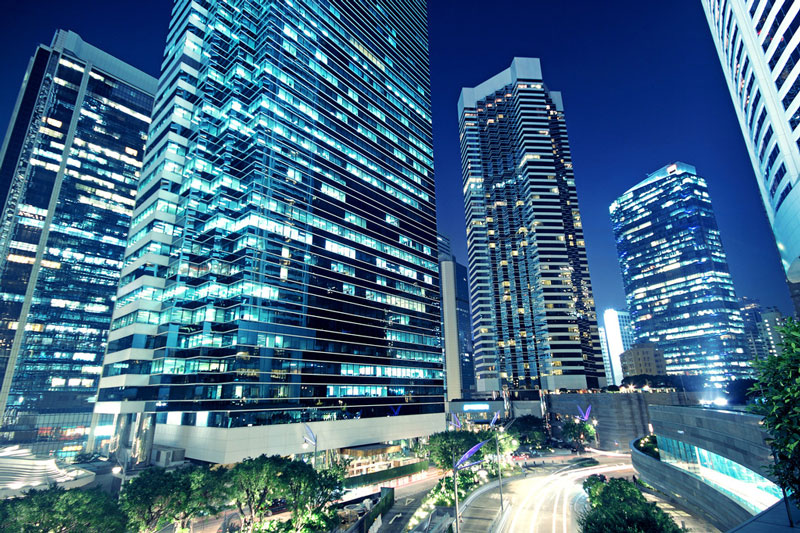
Intelligent building technology is based on the use of smart devices and systems, enabling us to effectively monitor and control various aspects of buildings, such as lighting, heating, ventilation, and water use. These devices can collect real-time data on resource utilization and energy efficiency, enabling building owners and residents to make informed decisions to reduce energy consumption and environmental impact.
One of the main advantages of intelligent building technology is its ability to reduce energy costs. By utilizing sensors and automation systems, energy use can be optimized based on the actual needs of building occupants. For example, light sensors can automatically adjust lighting based on the presence of personnel or available natural light, thereby reducing energy consumption. Similarly, heating and cooling systems can be intelligently controlled to ensure the comfort of occupants while reducing energy consumption.
Another important aspect of intelligent building technology is its ability to integrate with renewable energy. For example, solar panels can be connected to the energy management system of buildings, allowing the use of solar energy to power various devices, thereby reducing reliance on traditional energy. In addition, energy storage systems can be used to store the energy generated by renewable energy and use it when necessary to ensure sustained and sustainable energy supply.
Intelligent building technology also helps to improve the indoor air quality of buildings. With air quality sensors, the presence of pollutants can be continuously monitored, and ventilation systems can be adjusted to ensure a healthy and comfortable environment. In addition, air filtration systems can be used to remove harmful particles and improve the air quality inside buildings, thereby reducing the risk to the health of residents.
In addition to energy efficiency and sustainability, smart building technology can also improve building safety. Intelligent security systems can continuously monitor buildings and detect any abnormal or dangerous situations, such as fires or intrusions. If an emergency occurs, these systems can automatically activate alarms and alert relevant personnel, allowing you to quickly respond and minimize losses and safety risks.
In order to promote the adoption of intelligent building technology, governments and organizations must develop incentive measures and regulations that are conducive to its implementation. For example, tax reduction or subsidy financing can be provided to enterprises and building owners investing in smart building solutions. In addition, it is important to raise public awareness of the importance of green and sustainable buildings, emphasizing the economic and environmental benefits that adopting these innovative solutions can bring.
In summary, intelligent building technology provides a unique opportunity to create more energy-efficient and sustainable buildings. By using smart devices and systems, energy costs can be reduced, renewable energy can be integrated, indoor air quality can be improved, and building safety can be ensured. However, in order to maximize the advantages of this technology, it is necessary to promote the adoption and implementation of intelligent building solutions through appropriate incentive measures and regulations. Only in this way can we build a more sustainable and environmentally friendly future.

点击右上角
分享给朋友吧







 Long by picture save/share
0
How Can We Help You ?
Never hesitate to contact us with all the questions you might have, whether they are sales or technical related.
We are passionate to offer you the best possible service.

Shenzhen Ajam Lighting Limited
Business Hotline: +86 13682454814 E-mail: info@ajamlight.com Skype: ajamlight Facebook / Instagram: ajamlighting
Address : 2nd Floor, Office Building, Jinku Technology Park, No. 6 Weihai Road, Nantou Town, Zhongshan City,Guangdong Province
© Copyright. 2013-2026 Ajam Lighting Limited. All Rights Reserved..
Shenzhen Ajam Lighting Limited
Business Hotline: +86 13682454814
E-mail: info@ajamlight.com
Skype: ajamlight Facebook / Instagram: ajamlighting
Address : 2nd Floor, Office Building, Jinku Technology Park, No. 6 Weihai Road, Nantou Town, Zhongshan City,Guangdong Province
© Copyright. 2013-2026 Ajam Lighting Limited. All Rights Reserved.